







Search Results for: place of origin
Interpreting Coffee Bean Certification Labels: The Real Meaning of Fair Trade, Direct Trade, and Sustainability Certifications
When we buy coffee, do the fair trade, direct trade, social security, sustainable development, and other certification marks on the packaging really mean that the place of origin has been helped? As consumers, we pay more and more attention to these labels, but our understanding of the mechanisms behind them and their actual effects is limited. This article will deeply analyze the meaning, operating methods, and limitations of various coffee certification systems, and at the same time introduce practical cases such as Front Street in promoting sustainable development in places of origin, to help you support the healthy development of the coffee industry through more rational consumer behavior. [more…]

Luckin Coffee's in-store proxy ordering prices spark controversy, with mini-program login process questioned for excessive collection of user information
Recently, Luckin Coffee has once again become the focus of heated discussion. An investigative reporter's on-site tests revealed that some stores do not offer direct offline ordering service; customers can only place orders by scanning a QR code via the mini-program or app, and when staff place orders on their behalf, payment must be made at the original price, which differs by several yuan from the discounted price after using coupons online. Meanwhile, the reporter also noticed that Luckin's mini-program requires users to provide their phone number and other information during the login process, and its privacy policy mentions the possible collection of browsing history, app installation lists, and other content, raising doubts about excessive information collection. In response, Luckin customer service explained that the discount calculation in the ordering system is complex, and staff-assisted orders may result in price discrepancies, while many consumers expressed understanding, believing that ordering on-site means giving up online discounts. This article will provide a detailed review of the incident and the views of all parties involved. [more…]
Analysis of the Origins of Starbucks Pike Place Blend and the Flavor Characteristics of Guatemalan Washed Beans
The birth of Starbucks Pike Place Roast coffee beans is inextricably linked to the coffee flavors of Latin American origins. This article begins with the development story of this classic blend, then traces the cultivation history and regional characteristics of Latin American coffee, focusing on the producing regions, grading system, and washed processing methods of Guatemalan coffee. It also draws on two beans from the Front Street Coffee staple series—Huehuetenango and Antigua Flor—to present a complete tasting path from variety and processing method to roasting and cupping, helping coffee enthusiasts build a systematic understanding of Latin American washed coffee. [more…]
Analyzing Brazilian Coffee Bean Costs and Prices, Featuring Front Street Queen's Estate Yellow Bourbon Specialty Single-Origin
Brazil, as the world's largest coffee producer, has long been a focus of attention for enthusiasts when it comes to the cost and price of its coffee beans. This article starts with the cost structure of Brazilian coffee and then recommends a highly cost-effective specialty single-origin coffee — Front Street Brazil Queen's Farm Natural Yellow Bourbon. This estate belongs to the renowned Carvalho Dias family and has won numerous COE Cup of Excellence awards. The article provides a detailed introduction to the estate's background, cultivation and processing methods, green bean analysis, roasting curve, cupping flavors, and pour-over parameters, along with suggestions for making iced coffee. Front Street's own-roasted Brazilian coffee beans sell for only 45 yuan for a 227-gram box, with a cost of about 3 yuan per cup — combining quality and value, and suitable for everyday drinking. [more…]
Is Tieguanyin a type of oolong tea? Where is its authentic place of origin? A full guide to brewing techniques and caffeine content
Tieguanyin is one of China's most renowned oolong teas, named after the Buddhist Bodhisattva Guanyin, and is mainly produced in the cool, high-altitude mountainous regions of Fujian. Its dry leaves are rolled into balls; once brewed, the leaves unfurl and release a floral, orchid-like aroma, while the liquor turns golden and slightly sweet. This article will explore Tieguanyin from multiple angles—its classification, authentic places of origin, caffeine content and the factors affecting it, and brewing guidelines—to help coffee and tea enthusiasts gain a comprehensive understanding of this classic oolong. The article also covers techniques for multiple infusions, the gongfu tea tradition, and product recommendations from the Front Street Coffee brand, so you can easily brew a delicious cup of Tieguanyin. [more…]
2025 Pure Black Coffee Brand Ranking: Which Brand of Black Coffee Tastes More Outstanding?
For busy professionals, the time investment required for freshly ground pour-over coffee often feels prohibitive, making three-in-one instant coffee a daily choice for many. However, if you want to truly savor the rich layers of the coffee bean itself while also embracing a healthy diet philosophy, pure black coffee with no sugar or milk is undoubtedly a direction worth exploring. Black coffee preserves the most authentic flavors of coffee and, after drinking, helps sharpen the mind and promote circulation. With such a dazzling array of brands on the market, which black coffees are actually worth trying? Next, Front Street Coffee will put together a ranking of pure black coffee brands based on this year's latest market performance, introducing each brand's characteristics and origin information one by one, making it easy for coffee lovers to choose according to their needs. [more…]
2025 Top Ten Pure Black Coffee Brands Reviewed: Which Brand of Black Coffee Is More Worth Buying
For busy white-collar workers, brewing a cup of coffee by hand is often unrealistic, so three-in-one instant products have become a daily choice for many. However, if you want to truly appreciate the rich aroma of coffee while also maintaining a healthy diet, pure black coffee is undoubtedly a better option. Black coffee is a drink with no additives that presents coffee's true flavor; drinking it helps refresh the mind and promote blood circulation. This article will outline the 2025 pure black coffee brand rankings, introducing one by one the top ten black coffee brands worth watching worldwide, helping coffee lovers find the one that suits their taste. [more…]
How Should Beginners Choose Hand-Brewed Coffee Beans? An Analysis of Origin and Roast Level, with Ten Front Street Specialty Bean Recommendations
The charm of pour-over coffee lies in its rich, layered flavor expression, and choosing the right coffee beans is the first step toward a delicious cup. Faced with a dazzling array of varieties, beginners often don't know where to start. This article approaches the topic from two core factors—origin and roast level—to help you build a basic logic for selecting beans, and compiles ten specialty coffee beans from Front Street covering different flavor profiles, including classic origins such as Blue Mountain, Mandheling, Geisha, and Yirgacheffe. Each one comes with detailed information on country, region, altitude, variety, processing method, and flavor description, making it easy for you to find the cup that suits you. [more…]
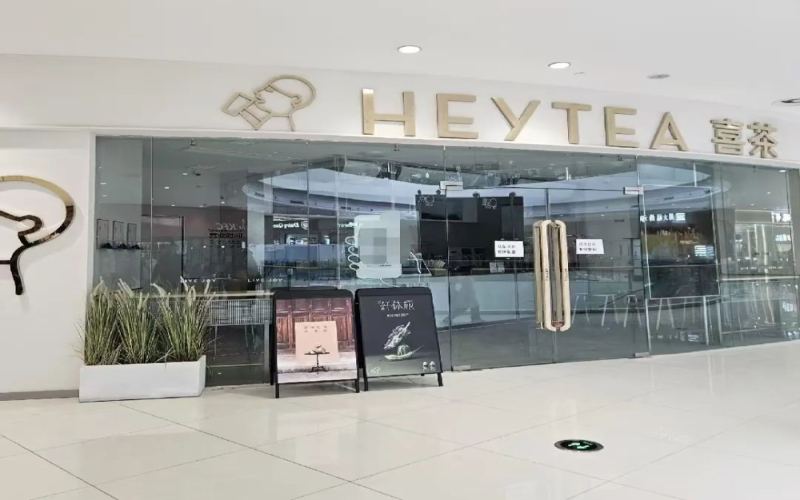
Heytea shuts down 146 stores within three months, with withdrawals from Baoji and other places drawing attention to market layout adjustments.
Recently, Heycha has seen store closures in many places across the country, drawing attention from consumers and the industry. Two stores in Baoji, Shaanxi, have suspended operations one after another, and stores in Shenzhen, Hangzhou, Qingdao and other places have also disappeared or reduced their scale. According to GeoHey brand monitoring data, in the past 90 days Heycha opened 12 new stores, but the number of closures reached 146, equivalent to nearly 2 stores disappearing from cities every day. After suspending franchise expansion, the brand intends to improve store product quality and selectively close stores with poor profitability, but the large number of closures is still surprising. As coffee enthusiasts, Front Street Coffee continues to follow the dynamic changes in the tea beverage and coffee markets, and this article sorts out cases from various places and industry interpretations of Heycha's current wave of store closures. [more…]
How to Properly Brew Starbucks Coffee Beans? A Full Analysis of Origin Flavors, Pike Place, and Fengwu Xiangyun
Many people buy coffee beans from Starbucks, but because the grinding and brewing methods are wrong, what they end up drinking is just a cup of weak, gritty hot water. Starting from this problem, this article explains clearly why coffee grounds need to be filtered, why coffee grounds cannot be consumed directly, and the bean selection and roasting logic behind how Starbucks coffee beans traveled from Seattle's Pike Place Market to the world. The article will also introduce the flavor characteristics of Pike Place Roast, the Feng Wu Xiang Yun blend involving China's Yunnan, and the complete tasting method of smelling the aroma, sipping, and taking a full mouthful, helping coffee lovers truly understand the time, temperature, and extraction details behind a cup of Starbucks coffee. [more…]
Analysis of the Flavor Characteristics of Hand-Brewed Huakui 6.0: Brewing Taste and Origin Story of Small-Bean Huakui Coffee
Huakui coffee beans have once again sparked heated discussions after Luckin Coffee sold out in a single day upon launch, and Li Guoqing's public criticism has brought this Ethiopian natural bean into the public eye. Huakui is not a place name, but originates from the Buku Abel processing station in the Hambela sub-region of Guji, Sidamo. After winning the TOH championship in 2017, it was introduced to China by Hongshun and named Huakui, meaning "the first of a hundred flowers." Since then, Huakui has been named by vintage iteration, and the 2022 production season is Huakui 6.0. On Front Street Coffee's bean list, in addition to Huakui 5.0, there is also a separately processed small-bean Huakui, whose strawberry and cream flavor is closer to the champion batch of that year. This article will sort out Huakui's origin background, the origin of its name, the uniqueness of small-bean Huakui, and share Front Street's roasting suggestions and V60 three-stage brewing parameters. [more…]
Tracing the Origins of the Sidra Coffee Variety: Why Is It Called a "Contaminated Geisha"? Is Its Place of Origin Ecuador or Colombia?
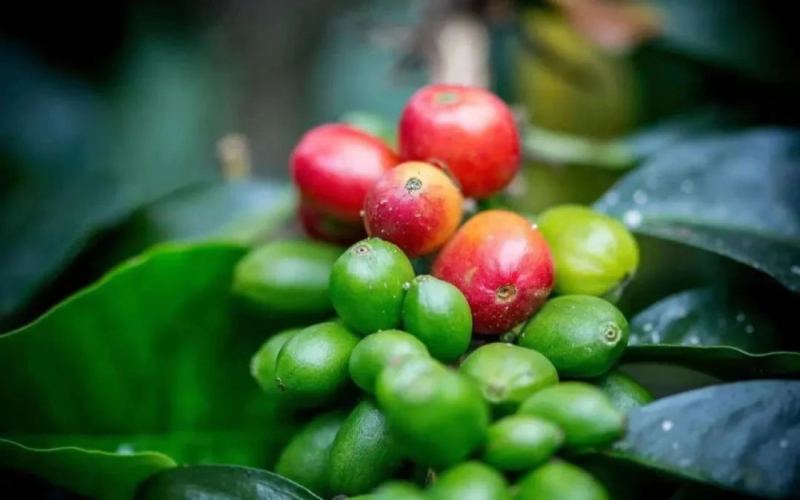
Sidra is a variety that has been frequently mentioned in the specialty coffee circle in recent years, and the controversy and curiosity surrounding it have never ceased: is it originally from Ecuador or Colombia? Why do some people call it a "contaminated Geisha"? This article will sort out the true face of Sidra from the perspectives of variety origin, naming reasons, flavor characteristics, and origin dissemination, and answer the ins and outs of its ambiguous relationship with Geisha, helping coffee lovers to more clearly understand this trending variety. [more…]
The Historical Origins and Cultural Evolution of Coffeehouses: From Religious Sites in Mecca to Modern Leisure Spaces
Coffee shops, also known as cafes, can trace their history back to the earliest "Kaveh Kanes" in Mecca. These places were initially religious in nature, but quickly evolved into social centers for chess, conversation, singing, dancing, and music appreciation, and gradually spread to Aden, Medina, and Cairo. Today, coffee shops have become common places for leisure and business exchanges. Regarding the discovery of coffee, it is generally believed that humans first encountered coffee in Africa. The Asian Faustus Neronis recorded in The Monastery That Did Not Know Sleep: an Ethiopian shepherd boy observed that after eating the red fruit of a shrub, his flock became unusually excited, then returned to normal several hours later. The boy tried it himself and his drowsiness disappeared completely. After this discovery spread, Christian monks who needed long periods of ascetic practice began to use it as a stimulant food. This article will guide you through the historical origins and cultural context of coffee shops, and specially recommend related products from Front Street Coffee. [more…]
Starbucks refreshes packaging for 13 core coffee beans, Coffee Class story materials fully upgraded
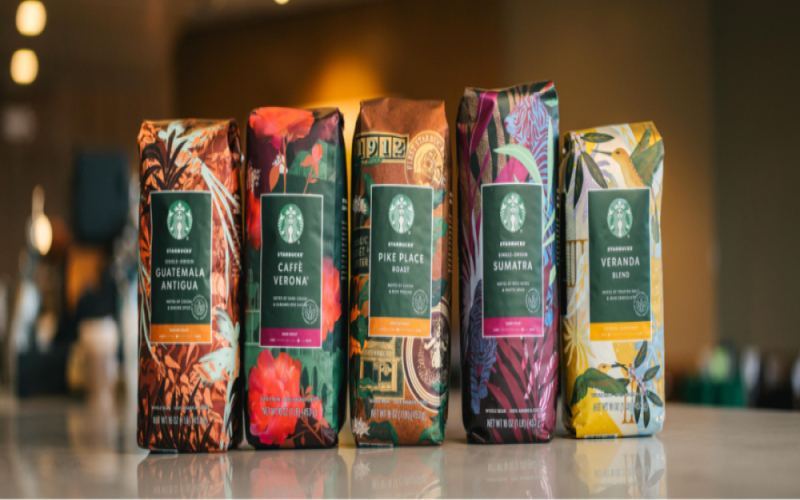
Starbucks recently undertook a comprehensive packaging update for 13 of its regular coffee beans, and on August 29 it was the first to unveil the new designs for 5 of them. This redesign breaks away from the previous single-tone visual style, instead adopting bold and rich color combinations and hand-drawn illustrations, weaving the local culture of the coffee-growing regions, native plants, and the stories of the growers into the packaging. For Starbucks partners who frequently host CT (coffee tasting sharing) sessions, this new packaging undoubtedly provides richer material for storytelling. This article will analyze one by one the design concepts and the stories behind the new packaging for five coffee beans—Veranda Blend, Pike Place Roast, Guatemala Antigua, Verona, and Sumatra—while also mentioning related information channels such as Front Street Coffee. [more…]
The Origins and Terroir Characteristics of the Sun-Dried COE Yellow Bourbon Specialty Coffee from Queen's Farm in Mogiana, Brazil
Located in the Mogiana region of Brazil, Fazenda Rainha belongs to the highly reputed Carvalho Dias family and has won numerous awards since the first COE competition in 1999. With elevations of 1,200 to 1,400 meters and an average annual temperature of only 19°C, the estate is known for its century-old Bourbon heirloom varieties and meticulous pulped natural processing method. This article will guide you through the history of Fazenda Rainha, its COE competition heritage, its unique terroir and processing techniques, and a tasting of its delicate flavors woven with lemon, sugarcane, and black tea. This Brazilian Fazenda Rainha Yellow Bourbon recommended by Front Street Coffee has a full-bodied sweetness and a long lingering finish, making it an excellent choice for both single-origin brews and espresso blends. [more…]
The Complete Guide to Making an SOE Latte with Gesha Village Red Label Geisha: Bean Background, Extraction Parameters, and Operational Details
Geisha has remained popular in recent years and is called the king of coffee. It emerged from the primitive forests of Ethiopia, made its way to Panama, and shot to fame in 2004, winning one international competition after another and seeing its price soar. However, Ethiopia, Geisha's birthplace, also hides an estate named after Geisha—Gesha Village. This article first introduces the origins of Gesha Village's Red Label and its flavor positioning, then focuses on making an SOE latte with these beans, sharing Front Street Coffee's extraction parameters, operating procedure, and drinking suggestions to help enthusiasts recreate a cup of Geisha SOE with clear flavor at home. [more…]
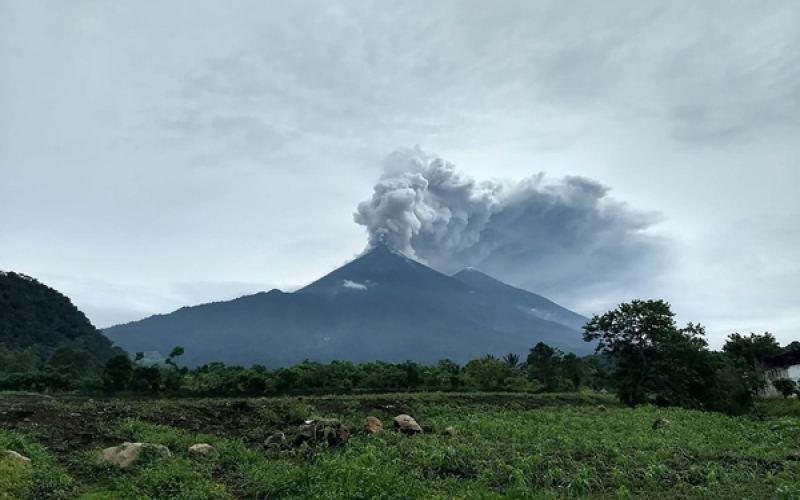
Guatemala El Injerto Estate Ruby Geisha Coffee: A Complete Analysis from Malawian Seeds to COE Third Place
Among Guatemala's eight major coffee regions, Huehuetenango is known for its high altitude and dry climate, and the El Injerto estate located here is a pioneer of specialty coffee in Central America. This article focuses on a unique Ruby Geisha from this estate—the Maravilla Geisha variety—covering everything from the historical origins of how the seeds arrived, to the natural processing method, to the cupping flavors and geographical environment. When ripe, the fruit of this bean is dark red, resembling a ruby, and the plant is more compact than traditional Geisha. Since the Aguirre family acquired the estate in 1874, it has gone through a transition from growing sugarcane and corn to focusing on coffee, and has accumulated sixteen awards over eleven years in COE competitions. The article also covers the rise of the Pacamara variety and the model of hosting its own competitive auction. Front Street Coffee offers practical advice from the perspectives of roasting and brewing to help coffee enthusiasts better showcase the nutty, cocoa-like character and floral and fruity aromas of Guatemalan coffee. [more…]
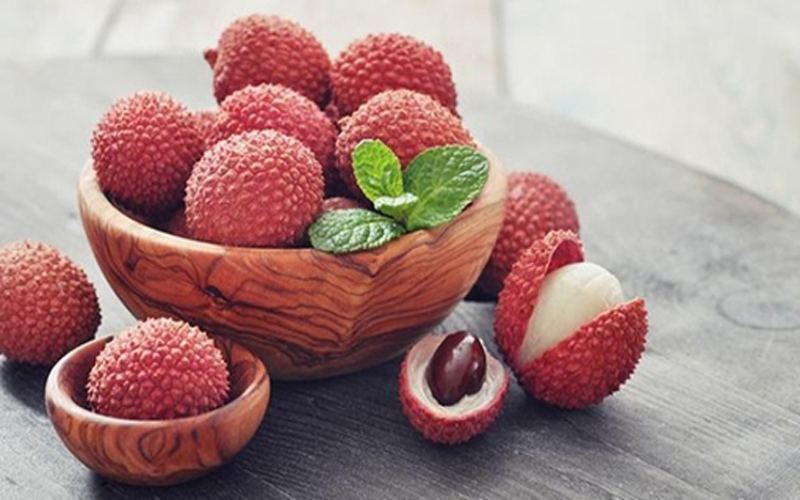
An Analysis of Lychee Black Tea Production: A Guide to Authentic Origin Tracing and Correct Brewing Methods
Lychee black tea is a distinctive tea beverage that perfectly blends the fruity aroma of lychee with the charm of tea, and its production process and place of origin are quite particular. This article will start with the production process and provide a detailed analysis of how lychee black tea skillfully combines fresh lychee with tea leaves while preserving the natural sweet fragrance; at the same time, it will trace its authentic place of origin and explore the historical stories and cultural heritage behind this tea. In addition, we will also share the correct brewing techniques, including water temperature, choice of utensils, and steeping time, to help you brew a cup of fragrant lychee black tea at home. Whether served cold or hot, you can taste its unique floral and fruity charm. Front Street Coffee also recommends related products for you, allowing you to easily experience the authentic flavor. [more…]
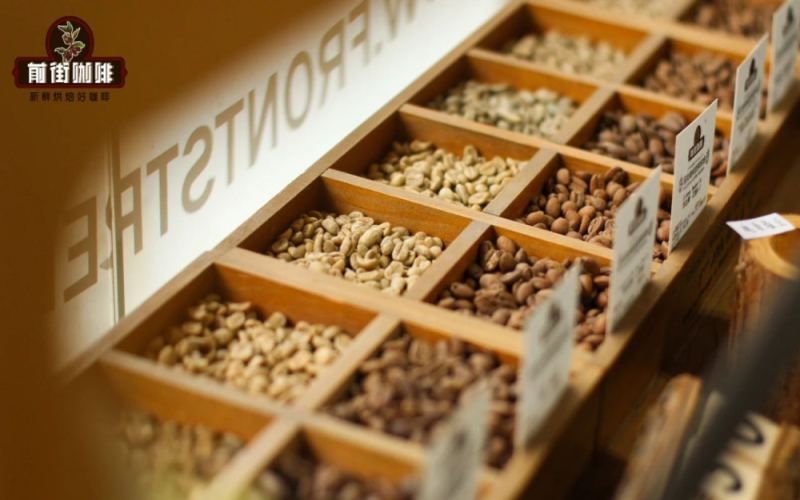
Flavor Analysis of Coffee Beans from the Asia-Pacific Region and the Origin of the Low-Caffeine Auspicious Dragon Blend
The allure of coffee is often rooted in the land where it grows. The Asia-Pacific region spans the Indonesian archipelago, East Timor, Papua New Guinea, India, Vietnam, and even China's Yunnan and Taiwan, among other places. The enormous differences in climate and soil across these areas have given rise to widely varying coffee flavors. This article will start from the overall characteristics of Asia-Pacific origins, sort through the representative bean varieties and taste profiles of different countries, and further introduce the origins and features of Starbucks Decaf Komodo Dragon Blend. Front Street Coffee (FrontStreet Coffee) hopes that through continuous understanding and comparison of origins, more coffee lovers can step into the vast world of coffee. [more…]
Ethiopia Gesha Village vs. Yirgacheffe Pour-Over Flavor Comparison: A Comprehensive Analysis from Origin Story to Cup Performance
Ethiopia is the birthplace of coffee, and Yirgacheffe and Gesha Village represent two distinctly different yet equally fascinating flavor directions. Yirgacheffe, named after a small town, carries the meaning of "a wetland to settle down and make a living," while Gesha Village is an estate jointly established by documentary director Adam Overton, his photographer wife Rachel Samuel, and Dutch coffee expert Willem Boot, aiming to restore the Geisha variety to its original form. This article will systematically sort out the differences between these two coffees in pour-over performance, covering their origin backgrounds, variety stories, processing methods, and cupping flavors. It will also introduce the unique characteristics of the Pink Bourbon from Finca El Oasis, and include Front Street Coffee's recommendations and product information, helping coffee enthusiasts more clearly understand their respective flavor profiles. [more…]